Shoe Lace Styles Every Man Should Know (And Which Laces to Buy)
You dropped $300 on a pair of Oxfords. Then a lace snapped, you grabbed a pack of fat cotton laces at the drugstore, and now those Oxfords look like they came off a clearance rack. Shoe lace styles are the cheapest detail in your wardrobe—and one of the easiest to get wrong.
Here’s the deal: the right lace depends on the shoe. Material, shape, thickness, color, and length all change how formal a shoe reads. Get them right and nobody notices your laces. Get them wrong and that’s the first thing people see.
Below, I’ll walk you through every lace type worth owning, which laces match which dress code, how to buy the right length the first time, what your laces tell you about fit, and five lacing methods every man should know. Let’s get into it.
Cotton Shoe Laces
One of the most common shoe lace styles is the traditional cotton lace. These laces are soft, flexible, and breathable, making them ideal for most casual and formal shoes.
Cotton laces are typically flat and come in various thicknesses, which allows you to experiment with different looks.
Why Choose Cotton Laces?
Versatile and work well with dress shoes, casual shoes, and boots.
Durable and easy to clean.
Available in a variety of colors and patterns, giving you the freedom to personalize your style.
Cotton shoe laces are the go-to choice for men looking for a reliable lace that can transition from the office to the weekend without skipping a beat.
Waxed Shoe Laces
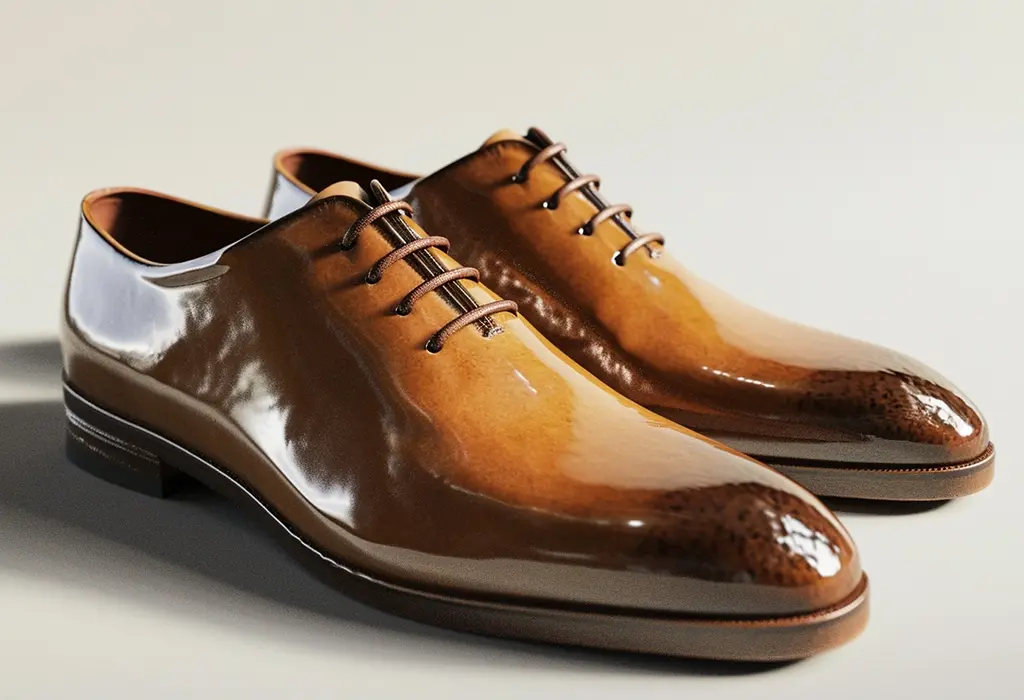
For a more polished, formal look, waxed shoe laces are a popular choice. These are often made of cotton but coated with a thin layer of wax, giving them a sleek finish and added durability.
Dress shoes often feature this shoe lace style. The wax helps the laces maintain their shape and prevents fraying.
Why Choose Waxed Laces?
Ideal for formal or business attire – they add a clean, shiny touch to your shoes.
Water-resistant – making them practical for rainy or damp conditions.
Stiff texture – helps them stay tied, reducing the need for constant adjustments.
Waxed shoe laces are often used in dress shoes like Oxfords or Derby shoes, giving the overall outfit a polished and refined look.
Round Shoe Laces
Round laces are a classic choice, often associated with formal shoes like Oxfords and brogues. However, not all round laces are created equal—some are thick and sturdy, while others are thin and delicate.
This shoe lace style tends to offer a cleaner appearance than flat laces and is often preferred for a more elegant, understated look.
Offer a timeless, clean aesthetic suitable for formal footwear.
Work well with boots due to their sturdy construction.
Come in both waxed and unwaxed versions for added versatility.
Round shoe lace styles are the go-to for men who prefer a more streamlined look and want to keep things simple yet sophisticated.
Leather Shoe Lace Styles
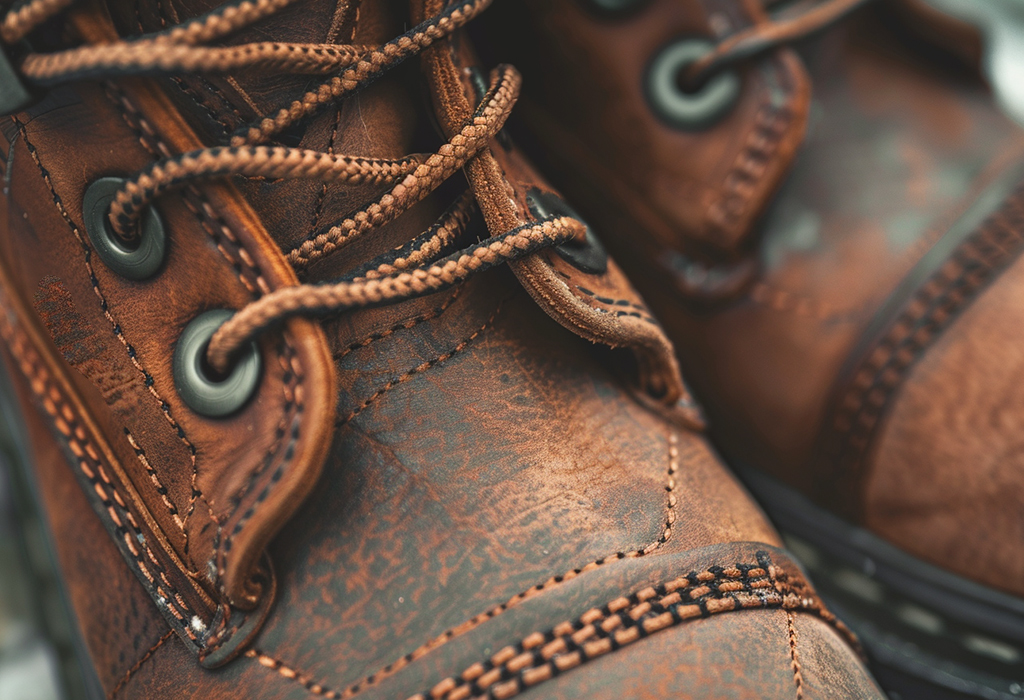
If you want to add a touch of rugged luxury to your footwear, leather shoe laces are the way to go. Typically used in boots and more casual shoes, leather laces provide a unique texture and are incredibly durable.
While they may require a bit more care and attention, the visual impact of leather laces elevate shoes to another level.
Why Choose Leather Laces?
Add a rugged, masculine edge to boots and casual shoes.
Extremely durable – lasting much longer than most cotton or synthetic laces.
Create a unique aesthetic that stands out.
Leather shoe lace styles are often seen on chukka boots or desert boots, adding a dash of personality to a classic silhouette. Pair them with a pair of rugged jeans or chinos, and you’ve got yourself a look that’s both refined and tough.
Elastic No-Tie Laces
For the man on the go, elastic no-tie shoe laces are a game-changer.
These laces are designed with elasticity, allowing you to slip your shoes on and off without the need to tie them. While they are more commonly found in casual or athletic shoes, no-tie laces can also be an option for men looking for convenience and comfort in their everyday footwear.
Why Choose No-Tie Shoe Lace Styles?
Offer ease and convenience for men who are constantly on the move.
Provide a snug fit, ideal for athletic or casual shoes.
Eliminate the hassle of having to constantly re-tie your laces.
No-tie shoe lace styles work exceptionally well for gym shoes and casual sneakers, and they are ideal for anyone who prioritizes comfort and functionality over formal aesthetics.
Paracord Shoe Laces
Paracord shoe laces, often associated with outdoor or tactical footwear, are the epitome of durability. Originally designed for parachutes, these laces are incredibly strong and resistant to wear and tear.
They are often thicker than standard laces and are commonly used in hiking boots, work boots, or shoes that need to endure extreme conditions.
Why Choose Paracord Laces?
Extremely durable and ideal for heavy-duty boots or outdoor shoes.
Resistant to abrasions, fraying, and extreme weather conditions.
Can also be used for other purposes in survival situations (paracord can be unraveled and used in emergencies).
While not suitable for dress shoes, paracord shoe lace styles are a practical choice for men who spend a lot of time outdoors or in rugged environments.
They pair well with work boots or hiking shoes, adding an extra layer of functionality to your footwear.
Last but not least, flat athletic shoe laces are the most common choice for sneakers and running shoes. These laces are designed to be lightweight, durable, and secure, making them perfect for high-activity situations.
They are usually made from synthetic materials, which help them resist sweat, water, and the wear and tear of intense physical activity.
Why Choose Flat Athletic Laces?
Designed for sports and high-activity environments, providing a secure fit.
Often made from moisture-resistant materials.
Available in a wide range of colors to match your personal style or team colors.
Flat athletic shoe lace styles are a staple in sportswear and are essential for anyone looking to maximize performance while keeping their sneakers in top shape.
Do Shoe Lace Styles Affect Formality?
Short answer: Yes.
Just as shoes come in varying degrees of formality, the shoe laces you choose can also influence how well they align with your outfit.
Whether you’re dressing for a black-tie event or a casual weekend outing, selecting the appropriate shoe lace styles is crucial for pulling your look together. Let’s break down which types of shoe laces best suit different levels of formality.
Waxed Cotton Laces: Waxed laces are the gold standard for dress shoes. Their subtle sheen and structured appearance make them perfect for formal occasions. The wax coating prevents fraying and keeps the laces looking sharp and neat.
Thin Round Laces: Round, thin laces give a clean, minimalistic look that works seamlessly with formal shoes like Oxfords, brogues, and Derbies. They add an elegant touch without drawing unnecessary attention.
Leather Laces (for specific formal styles): Though not as common, leather laces can work with dress shoes in certain upscale-casual settings, especially when you’re opting for a sophisticated yet slightly rugged look.
Avoid: Wide flat cotton laces or overly thick laces, as these can detract from the sleek, polished appearance needed for formal wear.
While the formality level is more relaxed compared to full business attire, you still want to maintain a put-together appearance. For this reason, the laces on your shoes should reflect this middle ground between formal and casual.
Best Shoe Lace Styles for Business Casual:
Unwaxed Cotton Laces: For a softer, less formal look, unwaxed cotton laces work well with loafers, chukka boots, and smart-casual shoes like Derbies. They add a touch of sophistication while keeping things relaxed.
Flat or Slightly Thicker Laces: If your business casual shoes have a chunkier profile, such as brogue boots or more relaxed leather loafers, flat laces can help balance the proportions while maintaining a professional appearance.
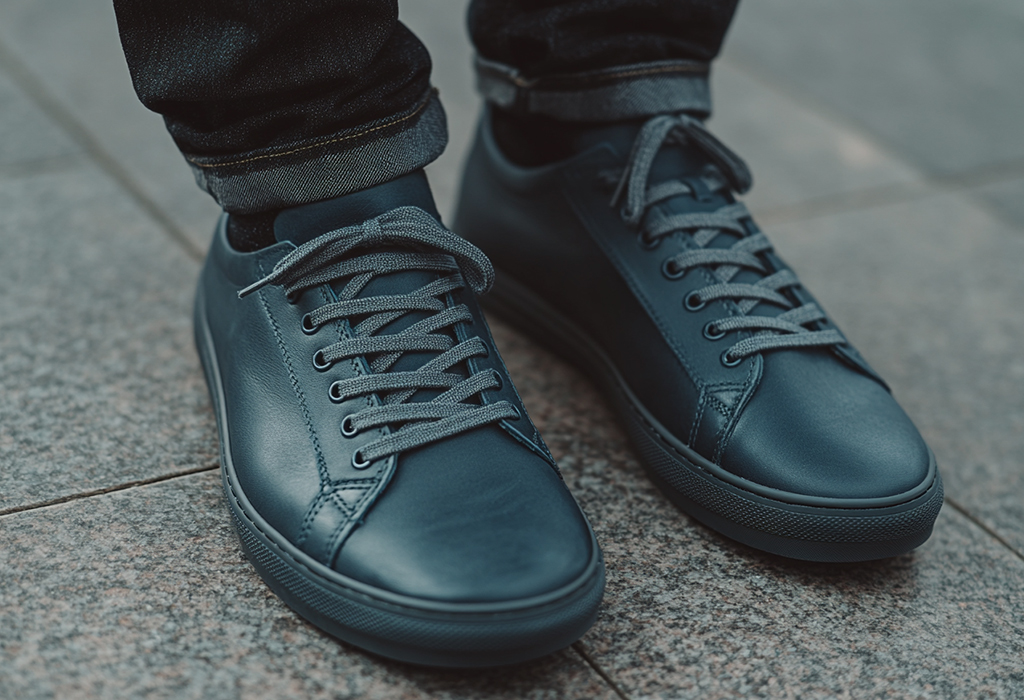
Elastic No-Tie Laces: For the clean leather sneakers you wear with chinos, elastic no-tie laces keep a neat look without the need for frequent adjustments. Loafers don't take laces, so this is a sneaker move only.
Avoid: Extremely thin or waxed laces, as they can make your shoes look overly formal for a business casual setting.
Smart Casual: Sneakers and Boots
Smart casual dress codes often allow for a wider range of footwear options, from sleek leather sneakers to polished boots.
The key here is to stay stylish yet comfortable, without veering into overly casual territory. Shoe lace styles for smart casual attire should lean toward clean, simple designs that complement rather than overpower your look.
Flat Cotton Laces (in neutral or bold colors): Flat laces in neutral tones like black, gray, or white work well for smart sneakers, balancing casual comfort with a refined edge. For a more adventurous look, you can even experiment with bolder colors to make your shoes pop.
Leather Laces (for boots): Leather laces work exceptionally well for boots in a smart casual ensemble. Whether you’re wearing chukkas or service boots, leather laces add a rugged yet polished finish.
Paracord Laces (for rugged boots): If you’re opting for a pair of more utilitarian boots—such as those you’d wear with jeans or chinos—paracord laces bring a tactical, rugged appeal while maintaining the smart aspect of the outfit.
Avoid: Brightly colored, overly thick laces, as they can make the shoes appear too casual for a smart look.
Casual Attire: Sneakers, Loafers, and Everyday Shoes
When it comes to casual attire, you have the freedom to experiment with a wider range of shoe lace styles.
The rules are more relaxed here, so it’s a great opportunity to let your personality shine through. Whether you’re heading out for a weekend brunch or running errands, your shoe laces can add a fun or stylish twist to your casual look.
Best Shoe Lace Styles for Casual Attire:
Flat Athletic Laces: For casual sneakers, flat athletic laces are an excellent choice. They provide comfort and durability, making them ideal for all-day wear.
Elastic No-Tie Laces: For maximum convenience and a clean aesthetic, elastic no-tie laces are perfect for casual slip-ons or low-top sneakers. They allow you to slip on your shoes without worrying about them coming undone throughout the day.
Bold or Patterned Laces: Casual settings allow for creativity. Don’t hesitate to experiment with brightly colored or patterned laces, especially if you’re wearing plain or neutral-colored shoes. This can add a fun, personal flair to your outfit.
Paracord Laces (for rugged, casual boots): For work boots, hiking shoes, or any footwear designed for the outdoors, paracord laces offer both style and practicality.
Avoid: Waxed or overly polished laces, as they can make your casual shoes look mismatched or overly formal.
Outdoor or Work Attire: Boots and Heavy-Duty Shoes
If your day involves hiking, manual labor, or any outdoor activity, function takes precedence over form. That said, there are still stylish and practical shoe lace styles that suit heavy-duty shoes and boots.
Best Shoe Lace Styles for Outdoor or Work Attire:
Paracord Laces: For heavy-duty or outdoor footwear, paracord laces are the clear winner. They’re tough, durable, and designed to withstand harsh conditions, making them perfect for hiking boots or work boots.
Thick Round Laces: For a robust, supportive fit, thick round laces are ideal for work shoes or rugged outdoor boots. They provide a strong hold and are resistant to fraying.
Leather Laces (for rugged casual boots): Leather laces add a rugged aesthetic to boots while still ensuring durability. They’re perfect for casual settings or light outdoor activities where you want both style and strength.
Avoid: Thin or delicate laces, as they won’t hold up to the physical demands of outdoor work or hiking.
How To Buy New Laces: Length, Thickness, and Color
Most men replace laces exactly once: when one snaps on the way out the door. Then they grab whatever the drugstore has. That’s how a good pair of shoes ends up with laces that are too long, too fat, or the wrong color. Here’s how to buy the right pair the first time.
Length: Count Your Eyelets
The easiest way is to pull out your old lace, lay it flat, and measure tip to tip. If it’s gone—or was wrong to begin with—count the eyelets on ONE side of the shoe and start here:
2–3 eyelets per side (chukkas, some Derbies): about 24″ (60 cm)
4–5 eyelets per side (most Oxfords and Derbies): about 30″ (75 cm)
6 eyelets per side (longwing Derbies, some leather sneakers): 32–34″ (80–85 cm)
7–8 eyelets per side (most sneakers, high-tops, ankle boots): 36–45″ (90–115 cm)
Tall boots with 8+ eyelets or speed hooks: 47″ (120 cm) and up
Chunky soles and thick leather eat up lace, so go a size up on heavy boots. On dress shoes, go a size down if anything. You want a small bow with short ends, not loops hanging over the sides of the shoe.
Thickness: Match the Lace to the Eyelet
A dress shoe has small eyelets set close together. It wants a thin lace—roughly 2–3 mm round, or a narrow flat waxed lace. Push a thick cotton sneaker lace through those eyelets and it bunches, won’t sit flat, and makes an elegant shoe look clumsy. Boots go the other way: a thin dress lace on a work boot looks like an afterthought and wears through in a few months.
Color: Match the Shoe, Then Break the Rule on Purpose
For dress shoes, match the lace to the leather: black on black, dark brown on brown, or one shade darker than the shoe if you can’t find an exact match. A lace lighter than the leather pulls the eye to your feet for the wrong reason. Save contrast laces—white on navy suede, red on gray sneakers—for casual shoes, where a little personality is the point.
And replace them before they fray. Once the aglet—the plastic or metal tip—cracks, the lace is on borrowed time. Laces are cheap. Swapping them every year or two on shoes you wear every week is about the cheapest way there is to make old shoes look sharp again.
Lace Finder: The Right Lace for Every Shoe
Type, thickness, color, lacing and length at a glance
Shoe
Lace
Thickness
Color
Lacing
Length
Oxfords
Round waxed cotton
Thin (about 2–3 mm)
Match the leather
Straight bar
~30″ / 75 cm (5 eyelets)
Derbies & brogues
Round or narrow flat waxed
Thin to medium
Match, or one shade darker
Straight bar or criss-cross
~30–34″ / 75–85 cm
Leather sneakers
Flat cotton
Medium
Match, or a quiet contrast
Straight bar or criss-cross
~36–45″ / 90–115 cm
Athletic sneakers
Flat synthetic or elastic no-tie
Medium
Anything goes
Criss-cross or over-under
~36–45″ / 90–115 cm
Chukkas & desert boots
Leather or round waxed
Medium
Tan, brown, or match
Criss-cross
~24–27″ / 60–70 cm (2–3 eyelets)
Work & hiking boots
Paracord or thick round
Thick
Match, or classic red/black on work boots
Criss-cross
47″+ / 120 cm+
Bottom line
The dressier the shoe, the thinner, rounder, and closer in color the lace should be.
Lengths are starting points. Measure your old lace tip to tip when you can, and size up for chunky boots.
What Your Laces Tell You About Fit
Here’s something most lace guides skip. On a closed-lace shoe like an Oxford, the lacing is a fit gauge.
Lace your Oxfords snug and look down. You want a small, even gap between the two sides—about ¼ to ½ inch (0.5–1.5 cm). That gap gives the leather room to stretch as it breaks in, so you can still tighten the laces months from now.
If the sides touch the day you buy them, the shoe has too much volume for your foot, and it’s only going to get looser. If the gap is a wide V, the shoe is too narrow or too shallow over your instep. No lace on earth will fix that.
I tell men this all the time: fit beats everything. A $150 shoe that fits will look better than a $600 shoe that doesn’t. Check the gap before you walk out of the store.
5 Shoe Lacing Styles Every Man Should Know
The way you lace your shoes might seem like a minor detail, but in the world of style, even the smallest elements can make a big difference.
A properly laced pair of shoes not only adds polish to your look but also reflects attention to detail and personal flair. Whether you’re going for a classic, minimalist approach or something that stands out, your shoe lacing can be a subtle yet effective way to elevate your style.
Let’s break down five essential shoe lace styles every man should have in his repertoire.
Straight (Bar) Lacing
Best for: Formal shoes like Oxfords or Derbies
Look: Clean, simple, and classic, this is the go-to for a polished appearance.
How to lace:
Run the lace straight across the bottom pair of eyelets, going in from the top so both ends sit under the facing. Pull one end so it’s about twice as long as the other.
Bring the long end out through the next eyelet up on its side, run it straight across, and feed it in through the eyelet directly opposite.
Under the facing, take it up one eyelet on that side, bring it out, and cross straight over again. Repeat until you reach the top.
Run the short end, hidden under the facing, up to the one top eyelet still open. Bring it out and tie. For the full walkthrough with photos, see how to lace dress shoes with straight lacing.
Why it works: Straight lacing is low-profile and doesn’t bunch the sides of your shoe, creating a streamlined look perfect for formal settings. It’s the epitome of understated elegance.
Criss-Cross Lacing
Best for: Casual shoes and sneakers
Look: The most common and versatile lacing style, ideal for everyday footwear.
How to lace:
Thread the lace through the bottom eyelets from the inside out.
Cross the laces over each other and thread them through the next set of eyelets from the outside in.
Repeat this process until you reach the top.
Why it works: Criss-cross lacing provides excellent comfort and functionality, distributing tension evenly across the shoe. It’s a reliable option for any shoe you wear on a regular basis, from boots to athletic shoes.
Over-Under Lacing
Best for: Sneakers and athletic shoes
Look: A functional, performance-focused lacing style, balancing comfort and security.
How to lace:
Start by threading the lace through the bottom eyelets from the outside in.
Cross the laces and insert them into the next eyelets from the inside out.
On the following row, cross the laces again, this time inserting them from the outside in.
Alternate between these two methods as you go up the shoe.
Why it works: By alternating over and under, you get a secure fit while reducing friction on the laces. This style is perfect for high-movement activities, like running or sports, where durability matters.
Diagonal Lacing
Best for: Statement shoes, casual wear
Look: Modern, bold, and slightly asymmetric—this pattern is a stylish alternative to traditional lacing.
How to lace:
Begin by threading the lace through the bottom eyelets from the inside out.
Take one lace and run it diagonally up and across to the opposite eyelet.
For the other lace, thread it straight up and out through the eyelet directly above, and repeat this process diagonally as you move upwards.
Why it works: Diagonal lacing is unconventional, making it great for casual shoes when you want to add a bit of flair. It’s less symmetrical than other styles, which draws attention without being too loud.
Hidden Knot Lacing
Best for: Dress shoes or shoes where you want a sleek, minimalist look
Look: Clean with no visible knot, perfect for formal occasions.
How to lace:
Lace the shoes using the straight bar method, but when you reach the top, stop.
Tuck the laces underneath the tongue of the shoe instead of tying them in a bow.
Secure the ends of the laces with a small knot under the tongue.
Why it works: Hidden knot lacing eliminates any loose or dangling laces, giving your shoe a pristine, uninterrupted appearance. This is perfect for men who want their formal shoes to look as sleek as possible.
Choosing the right shoe lace styles for different levels of formality can greatly impact the cohesiveness of your overall look.
Ultimately, paying attention to the small details can elevate your style and ensure that every element of your outfit, down to your shoe laces, is on point.
For most Oxfords and Derbies with five eyelets per side, about 30 inches (75 cm). Shoes with three eyelets need closer to 24 inches. When in doubt, measure the old lace tip to tip and buy the same length.
Are flat or round laces better for dress shoes?
Thin round waxed laces are the classic choice for Oxfords and the most formal option. A narrow flat waxed lace works too—plenty of good dress shoes ship with them. What you want to avoid on dress shoes is a wide, fuzzy flat cotton lace.
Should shoelaces match your shoes?
On dress shoes, yes. Match the leather or go one shade darker. On sneakers and casual boots you’ve got room to play, and a contrast lace works best when the shoe itself is plain.
Why do my shoelaces keep coming untied?
A 2017 study out of UC Berkeley found that every step hits the knot hard enough to loosen it, while the swing of your leg whips the loose ends until the bow lets go. Tying it tight helps, and so does using the stronger version of the bow. Here’s how to tie your shoes the right way.
I'm Antonio Centeno, the founder of RMRS. I'm a former Marine Corps Officer with a BA in Evolutionary Biology and Philosophy (Cornell College 98') and an MBA from The University Of Texas at Austin (07'). I studied the Science of Style in London, Hong Kong, and Bangkok and have created over 5000 videos/ articles to help men dress better. Click here to discover more about me and our mission here at RMRS.
Ready to earn more money and command respect with the right clothing? Want to start dressing sharp today? Click here to discover The Style System , the BEST Professional Style Course on the planet!