Imagine a product that will adds inches to your perceived height, shaves 20 lbs of your midsection, and makes you appear more muscular.
And the magic item can do all this instantly!
Sounds too good to be true, right? Well, it's not.
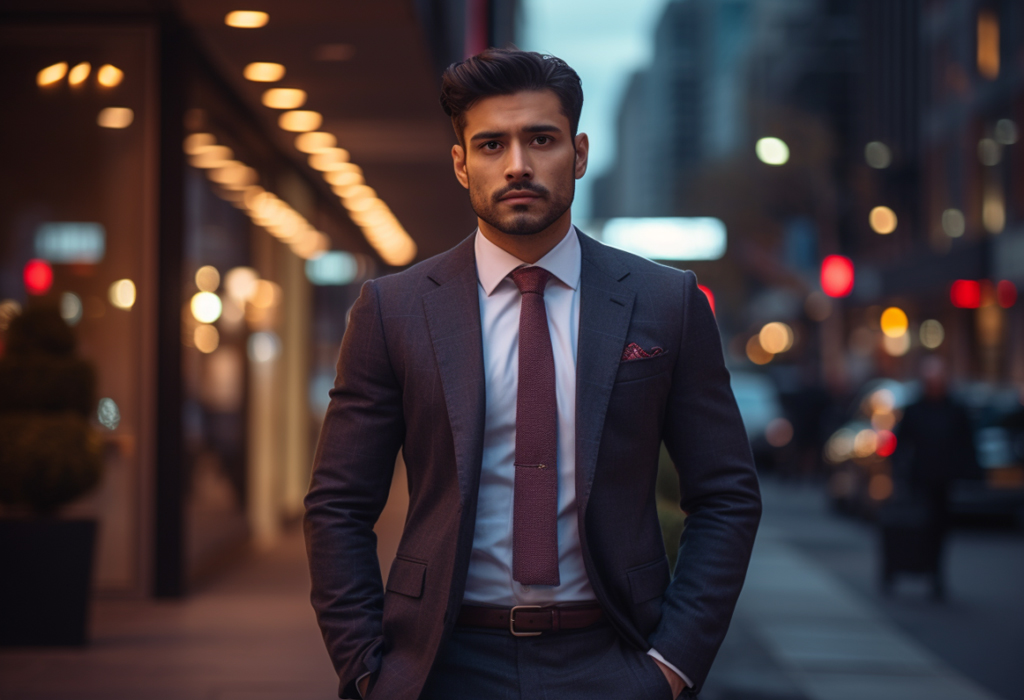
A well-fitting suit jacket, sport jacket, or blazer can do just this — and the best part is you only need to visit a skilled tailor to unlock the masculine enhancing power of your wardrobe's secret weapon.
The classic men's jacket is a classic wardrobe piece for a reason. It makes any man look respectable. Think about it. Pair a well-tailored jacket with classic shoes and sharp trousers, you've given 90% of your body a time-tested, solid presentation.
All you have to do is brush your hair and smile!
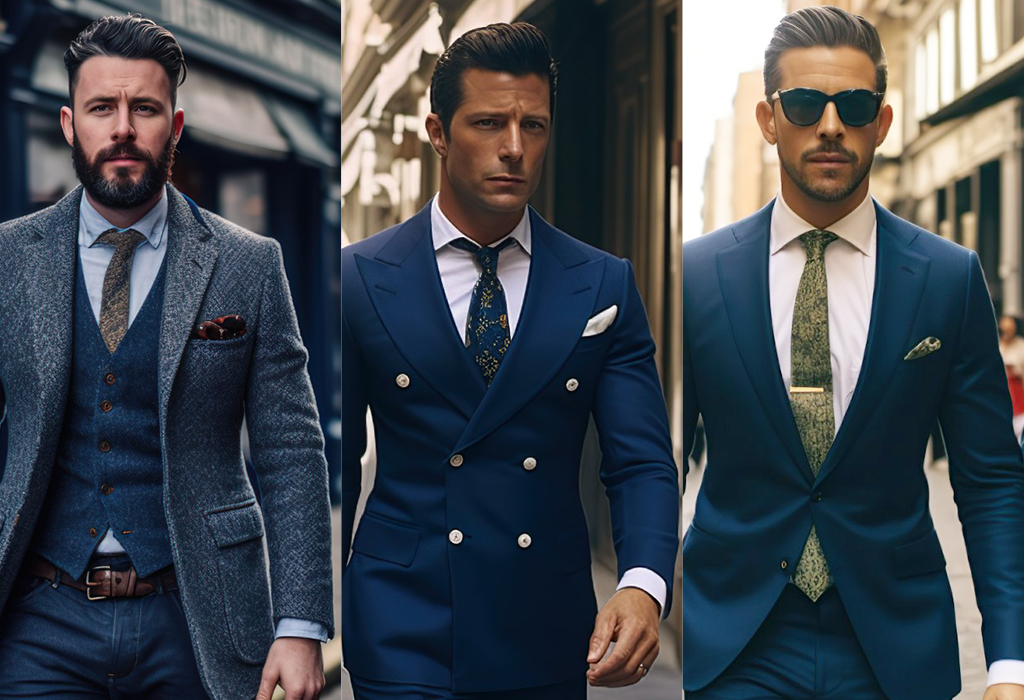
The single or double-breasted men's jacket, buttoned near the waist and ending at the bottom of the buttocks has endured for a century because it builds out the shoulders, exaggerates the trimness of the waist, and it's solid lines allow the eyes to move up and down the body without being jarred to the right or left.
In short, it makes you look better every time you put it on – now to help you understand why.
Jackets & Body Proportion
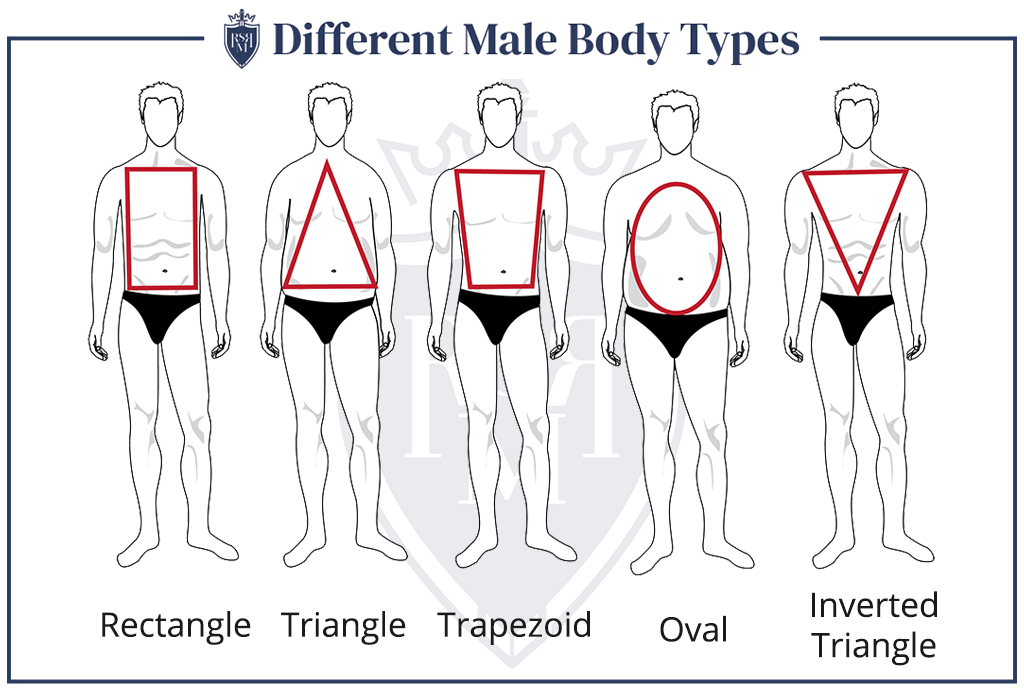
There are specific proportions the human eye finds pleasing. The “golden ratio” and similar mathematical cousins crop up in art across all cultural lines, demonstrating our inherited preference for certain shapes and balances.
Unfortunately, most men's bodies aren't built along any kind of ideal ratio, which is why none of us look like Greek sculptures (the ancient Greeks loved them so much).
Our waists tend to be right around the midpoint of our height or just slightly above it, which is great for balancing and running away from saber-toothed tigers and other evolutionary needs but not as aesthetically pleasing as something more in the neighborhood of a 1:2 ratio.
A suitcoat raises our perceived waistline, dividing our body into a top third and a bottom two-thirds rather than cleanly in half.
Slimming Effect Of Men's Jackets
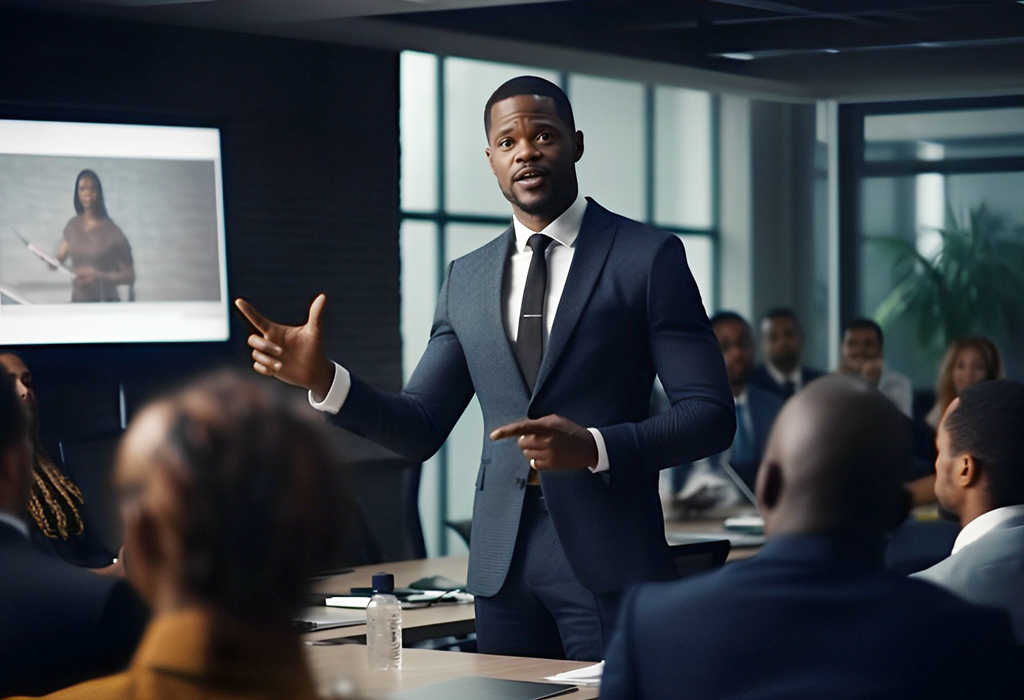
If all that sounds too artsy for your taste, try this one on for size: a basic suit jacket makes you look skinnier. Not just by virtue of being a jacket, of course — it'll need to be cut right.
But a properly tailored coat, or just a properly chosen off-the-rack jacket if you're lucky enough to find one, tapers a bit above your waist and flares out over your stomach and hips.
The narrowed midsection makes you look like our image of a healthy man: tucked at the waist, widening above it (an effect brought out by the outward-spreading lapels of a jacket).
The drape in the back will also hide any weight you're carrying on your backside. Think of it as a tummy tuck without the horrible, invasive surgery.
Broad Shoulders & The Sport Coat
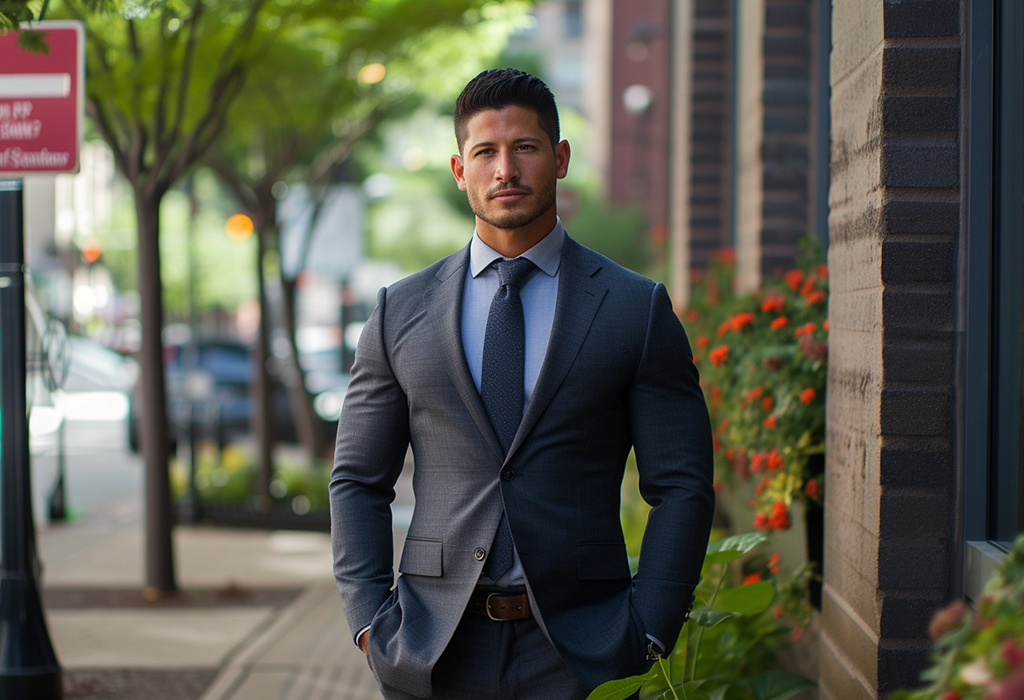
Speaking of cosmetic improvements, any serious gym-goer knows how long it takes to bulk up even a small amount. A jacket adds thickness to your frame instantly every time you put it on. We're not saying it's going to actually help you lift anything, but the extra weight around the shoulders certainly looks impressive to the casual glance.
Massive, 1980s-thick shoulderpads are not required — the soft drape of even a reasonably thin coat makes your shoulders appear smoother and broader, and the outward sweep of the lapels helps make your whole torso seem wider as well.
If you're particularly slender and feel the need for some extra apparent bulk, change the more typical notched lapels for peaked, drawing the viewer's eyes even further out to the sides and adding to the impression of width.
Suit Coats For Taller Men
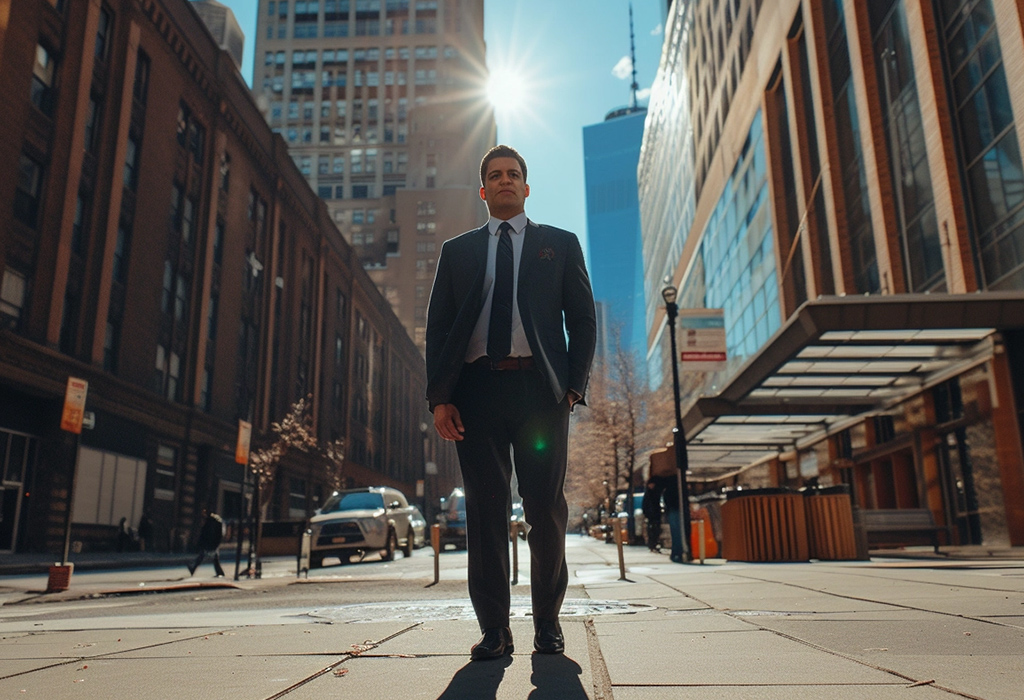
If you're already plenty broad and want to add height instead, don't worry – a good jacket can do that for you, too. The thickness in the shoulders adds a small impression of height just on its own, of course, but the big service a coat does for the wearer is drawing the viewer's eyes upward.
The widening of the jacket toward the top makes us naturally look from the waist up rather than the face down, giving the impression of looking up at something even when the viewer is taller than the man in question.
This keeps people looking at your face instead of down around your midsection.
Try asking people to guess your height with and without a jacket – you'll see the estimates climb by an inch or better almost every time you add the coat.
Also read:

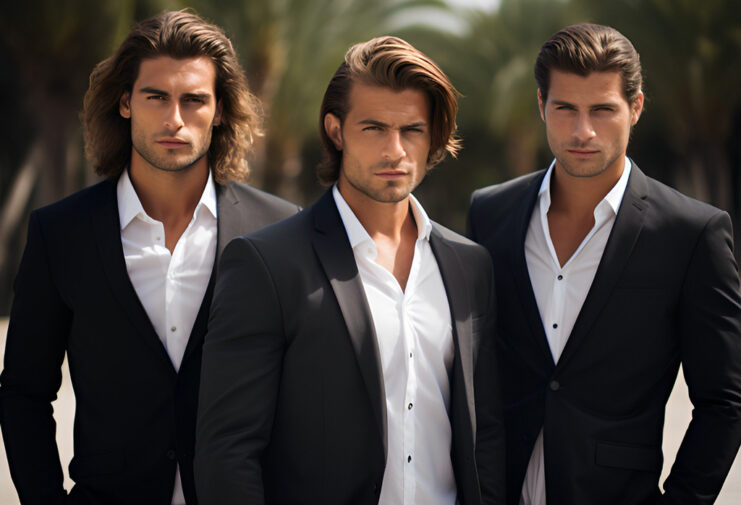
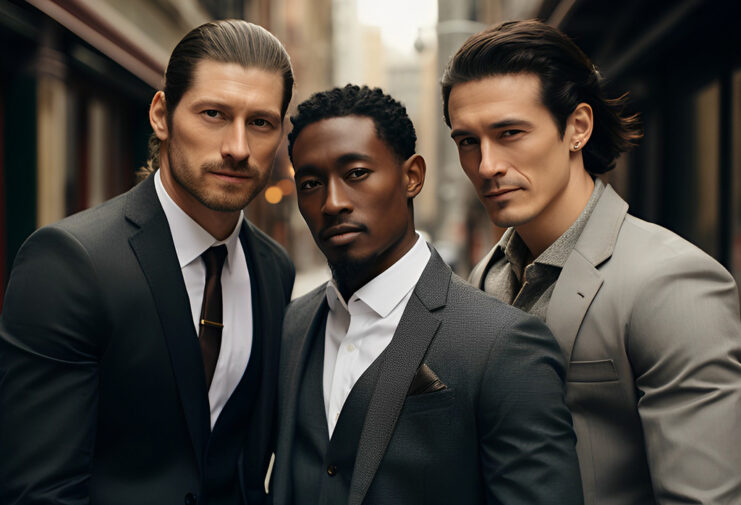
Summary – Always Wear A Jacket!
It's not hard to grasp the lesson here: whenever the situation permits, wear a jacket!
It is the easiest way to improve your appearance in a matter of seconds!
Podcast: Play in new window | Download