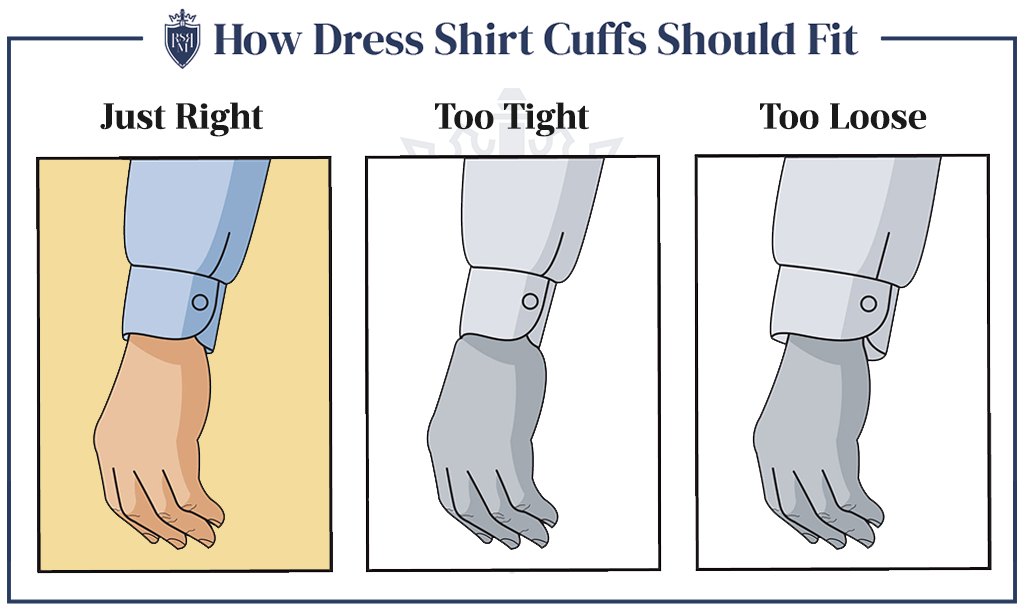
Quick Answer: Your dress shirt cuff should fit close to the wrist with 1–2 inches of extra circumference. If it slides off without unbuttoning, it's too loose. If it cuts off circulation, too tight. Everything in between comes down to your proportions — and I'll show you exactly how to dial it in.
Why Cuff Fit Actually Matters
Most guys buy a dress shirt, put it on, and if nothing looks obviously wrong, they wear it. I get it — there are bigger battles to fight when getting dressed.
But here's the thing: a well-fitted cuff is one of the easiest, cheapest ways to look more put-together. It's the finishing detail that separates a guy who knows clothes from a guy who just wears them.
I've spent years studying fit — and the cuff is one of the most overlooked details in a man's wardrobe. Let me fix that for you.
The Golden Rule of Cuff Fit
Here's the test I use with every client:
Put on your dress shirt and button the cuff. Now try to slide it off over your hand without undoing the button.
- If it slides right off ? too loose
- If you can't get it past your knuckles at all ? too tight
- If it takes some effort but comes off with a firm pull ? just right
That's your baseline.
How Much Room Should You Have?
For a barrel cuff (the standard button cuff on most dress shirts), here's the range:
| Fit Preference | Extra Circumference |
|---|---|
| Fitted / trim | 1 – 1.25 inches |
| Classic / most guys | 1.25 – 1.75 inches |
| Relaxed | Up to 2 inches |
| Too loose (avoid) | 2+ inches |
I personally wear my cuffs at around 1.5 inches of extra room. My wrists are about 6.5 inches, and my shirt cuffs measure just under 8 inches around — that gives me a clean, fitted look without restricting movement.
If you've got larger wrists — say 8.5 to 9 inches — you can push closer to 2 inches. Beyond that, even on big wrists, it starts looking sloppy.
Cuff Length: The Forgotten Dimension
Everyone talks about circumference. Nobody talks about cuff height.
My cuffs are just over 2 inches tall. That's proportional for my build. Here's how to think about it:
- Slimmer build or shorter arms: Stick to 1.75–2 inch cuff height
- Average build: 2–2.5 inches looks clean
- Larger build or longer arms: Up to 3 inches can work, but go no further
A taller cuff on a slight frame makes the shirt look like it belongs to someone else. Get this right and the whole sleeve looks intentional.
Types of Dress Shirt Cuffs (And How Each Should Fit)
Barrel Cuffs (Button Cuffs)
The everyday workhorse. One or two buttons, closes flat against the wrist. This is what 90% of dress shirts use.
Fit target: 1–1.75 inches of extra circumference. Snug enough to stay put, loose enough to be comfortable all day.
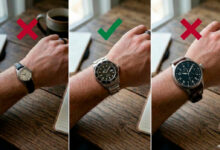
Watch note: If you wear a watch, go up slightly on the watch-side cuff — about 0.25–0.5 inches more room. Don't let the watch scrunch the fabric.
French Cuffs (Double Cuffs)
More formal. The cuff is twice the length, folds back on itself, and closes with cufflinks. It's meant to sit inside a jacket sleeve and peek out.
Fit target: Give yourself more room here — 1.75 to 2 inches. The extra fabric is intentional; a French cuff that's too tight looks pinched and loses its elegance. For larger wrists (9 inches+), 2.5 inches of extra room is perfectly acceptable.
Why the difference? A French cuff sits inside a jacket cuff. It needs enough volume to fold neatly and lay flat without bunching. A barrel cuff doesn't have that constraint.
Cocktail Cuffs
A less common style — typically a wider, more decorative barrel cuff, sometimes with contrast buttons or interesting fabric. Treat it like a barrel cuff for fit purposes, but keep proportions in mind: a wide decorative cuff can overwhelm a slim wrist.
How to Measure Your Shirt Cuff
Grab a soft measuring tape. Lay your shirt flat and measure:
From the center of the button hole to the button, going around the full cuff circumference.
When you're shopping for dress shirts, most will range from 8 to 11 inches in circumference. Know your number before you buy, and you'll stop gambling on fit.
My personal benchmark: just under 8 inches on most of my shirts, which gives me that 1.5-inch gap I like on my 6.5-inch wrists.
How to Fix a Cuff That Doesn't Fit
Too Loose? Move the Button.
This is the easiest fix in menswear. If your cuff has a bit too much room, just move the button inward.
- Snip the button off
- Re-sew it about ½ to ¾ inch closer to the edge
- That's it — you've just tailored your shirt for under $5 in thread
Don't move it more than ¾ to 1 inch or the proportions start looking off.
Way Too Loose? Rebuild the Cuff.
If you've got a 6-inch wrist and the cuff measures 10+ inches around, moving the button won't cut it. A tailor can remove the cuff entirely and rebuild it smaller. Any tailor worth their hourly rate can handle this. It's more work, but if it's a shirt you love, it's worth it.
Damaged or Wrong Style? Swap the Cuff.
This one surprises most guys: you can replace a cuff entirely. Find a similar white or matching shirt at a thrift store with smaller or different-style cuffs, and have a tailor swap them out. Great fix for:
- A cuff that got burned or torn
- Sleeves that are too long (while you're at it, get those shortened too)
- Upgrading a barrel cuff to a French cuff on a shirt you already own
Quick-Reference: Cuff Fit by Wrist Size
| Wrist Size | Recommended Cuff Circumference | Notes |
|---|---|---|
| Under 6.5″ | 7.5–8″ | Stay on the trim side; avoid large decorative cuffs |
| 6.5–7.5″ | 8–9″ | Most off-the-rack shirts fit this range well |
| 7.5–8.5″ | 9–10″ | You have flexibility; go with your preference |
| 8.5–9″+ | 10–11″ | Go up to 2″ extra; French cuffs may need 2.5″ |
One Last Thing: How Much Cuff Should Show?
When you're wearing a jacket or blazer, your shirt cuff should extend about ½ inch beyond the jacket sleeve. This is non-negotiable in classic menswear — it's called the “shirt break” and it's a sign of proper tailoring.
Too much cuff showing (over ¾ inch) looks sloppy. No cuff showing means your jacket sleeves are too long or your shirt sleeves too short — fix one or the other.
Summary
- Cuff circumference: 1–2 inches of extra room, no more
- Cuff height: proportional to your build, 2–2.5 inches for most men
- French cuffs: slightly more room than barrel cuffs
- Simple fixes: move the button, rebuild the cuff, or swap it out entirely
- When wearing a jacket: ½ inch of cuff should show
Fit is about proportions. Once you understand that, you stop wearing clothes that are wearing you.
Want to Go Deeper?
If you want to get serious about fit, style, and building a wardrobe that actually works for your life — come join us in the RMRS Skool Community. It's where the real conversations happen: ask questions, get feedback on outfits, and connect with guys who take this stuff seriously.
Frequently Asked Questions
How tight should a dress shirt cuff be? Tight enough that you need to unbutton it to take it off, but loose enough to slide two fingers underneath comfortably.
How much should a shirt cuff show past the jacket? About ½ inch is the classic standard. No less, no more than ¾ inch.
Can I fix a loose cuff without a tailor? Yes — move the button inward by ½–¾ inch. Takes 10 minutes and a needle and thread.