Fitness Trackers, Empowerment, and Attractiveness | How Fitness Trackers Affect Overall Health
Q: Fitness trackers are pretty trendy these days, but do they work? How do I know which one to choose? Does it matter?
A: Yes, they can work, and yes, it matters which one you choose. Believe it or not, it even matters whether your tracker looks good.
BACKGROUND:
Three researchers from the Netherlands sought to examine some of the claims of fitness/activity trackers, and determine what factors increase their effectiveness.
The researchers pointed out that fitness has been trendy lately, and fitness trackers have caught the world by storm. Many are attached to smartphones and smart watches, and some are standalone accessories that are worn.
The researchers suggested that fitness trackers do their magic by empowering people. By taking their health into their own hands, people feel empowered, and this increases their healthy behaviors.
In other words, a person who feels powerless to change their lifestyle is going to have a harder time exercising, focusing on their health, eating right, etc. When a person feels like they have more power and influence over their lives, these behaviors will naturally follow.
The researchers constructed a theory that there are six factors that may influence the effectiveness of fitness trackers:
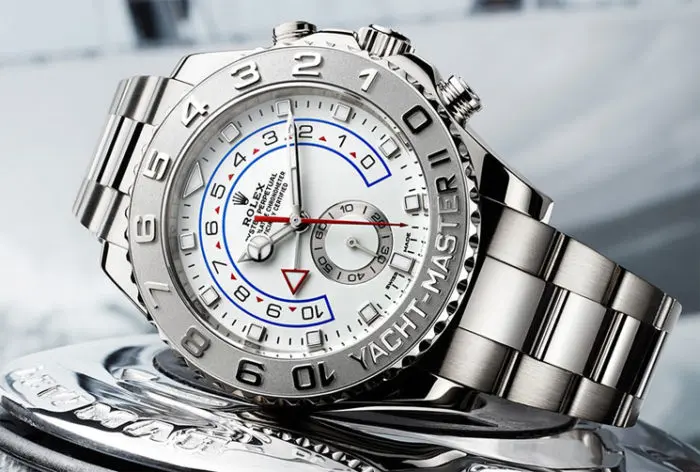
Attractiveness: Does the tracker catch a person’s eye? Does it increase a person’s attractiveness? The researchers pointed out that previous research suggests that when a person wears an attractive product, it increases his or her self-confidence. Does this apply to fitness trackers and does a more attractive tracker increase empowerment?
Monitoring: Does the data allow a person to accurately quantify and pursue their goals? Is it accurate and does it collect the right kinds of data?
Privacy Protection: Does the device protect the privacy of the user? Is it hackable? Is a more secure device more empowering?
Readability: Is it easy to read and interpret?
Gamification: Is it fun, and does it feel like a game? Do you feel like you’re mastering your health, like you’d master a sport or a skill? Does it help you see things more as a fun activity and less like a mundane or difficult task?
The researchers theorized that they could measure empowerment and effectiveness in a few different ways:
Affective commitment: Does the tracker cause a person to want to reach their goals, and feel excited and determined to do so?
Normative commitment: Does the tracker cause a person to feel obligated to reach their goals, and increase their sense of duty to improve their own health?
EXPERIMENT:
The researchers went to 11 online communities dedicated to smart wristbands and administered an online questionnaire to see how people felt about their various wristbands.
Most of the respondents were from the United States.
The survey was not sponsored or endorsed by any particular company.
A total of 210 respondents were involved in the study.
The researchers were less interested in what brands of trackers people used, and more interested in their own subjective perceptions of their trackers.
Mostly, people used Fitbits, Jawbones, Misfits, Nike bands, and Garmins.
The researchers simply asked people about their fitness trackers:
What they liked/disliked about them
Whether various traits of their trackers increased their feelings of empowerment
Whether feeling empowered increased commitment to their health
RESULTS:
The researchers were interested in the various factors of fitness tracker wearing, and which were correlated with greater health empowerment and commitment.
In other words, if you break down fitness tracker characteristics, which ones were most important in helping people feel empowered in improving their health?
The statistical analysis revealed the following connections:
Attractiveness: YES
More attractive fitness trackers increased empowerment.
Monitoring: NO
It wasn’t necessarily the ability to self-monitor one’s own data that led to an increased commitment to health.
Feedback: YES
Getting reinforcement and feedback from the software increased commitments to health.
Privacy: YES
Better protection of privacy by the software increased health commitment, and low privacy protections reduced health commitment.
Readability: YES
Displays, charts, and graphs that were more clear, accurate, and readable increased commitments to health.
Gamification: YES
When the trackers helped transform fitness into something more fun (like a game), it increased commitments to health.
Empowerment
The results found that when users felt empowered in their health, this increased both affective and normative commitment.
DISCUSSION:
What can we take from this study about wearing fitness trackers?
They do increase commitment to health goals, and they do empower people to improve their health.
BUT they do these things through a number of factors, including whether they are attractive, give good feedback, keep data private, are readable, and fun.
Particularly relevant to your readers is the revelation that more attractive fitness trackers more effectively increase empowerment and commitments to health.
In the study, attractiveness was defined as the combination of these individual factors:
Classy
Attractive
Elegant
Beautiful
Sexy
An attractive fitness tracker is a more effective tracker – and one that is better for your health!
I'm Antonio Centeno, the founder of RMRS. I'm a former Marine Corps Officer with a BA in Evolutionary Biology and Philosophy (Cornell College 98') and an MBA from The University Of Texas at Austin (07'). I studied the Science of Style in London, Hong Kong, and Bangkok and have created over 5000 videos/ articles to help men dress better. Click here to discover more about me and our mission here at RMRS.
Ready to earn more money and command respect with the right clothing? Want to start dressing sharp today? Click here to discover The Style System , the BEST Professional Style Course on the planet!